· Mayank Kashyap · 2 min read
Fibroadenoma vs Breast Cancer: Key Differences You Should Know
Finding a lump in the breast can be extremely stressful, but not all lumps are harmful. Two of the most commonly confused conditions are fibroadenoma and breast cancer.
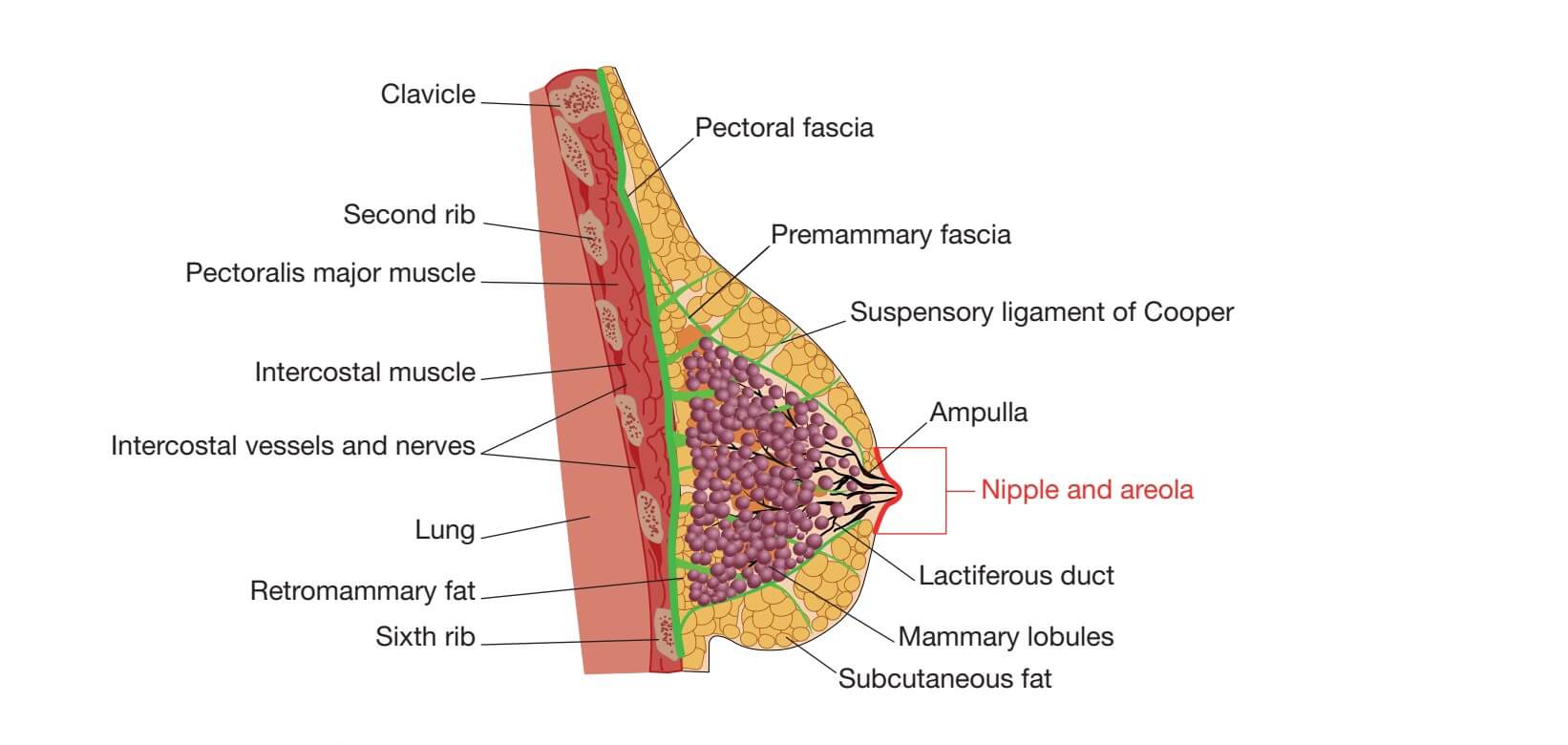
Finding a lump in the breast can be extremely stressful, but not all lumps are harmful. Two of the most commonly confused conditions are fibroadenoma and breast cancer. While both may appear similar at first, they have very different characteristics, risks, and treatment approaches.
What Is a Fibroadenoma?
A fibroadenoma is a benign (non-cancerous) breast lump made of glandular and fibrous tissue. It is most common in women between 15 and 35 years of age. These lumps are usually painless, smooth, and easily movable under the skin — often described as having a “rubbery” feel.
Key Features of Fibroadenoma
Round or oval in shape
Moves easily when touched
Painless in most cases
Well-defined edges
Non-cancerous and typically harmless
What Is Breast Cancer?
Breast cancer occurs when breast cells start growing abnormally and form a malignant tumor. Unlike fibroadenomas, cancerous lumps can invade nearby tissues and spread to other parts of the body. It can occur at any age, but the risk increases after age 40.
Key Features of Breast Cancer Lumps
Hard or firm to touch
Often irregular in shape
Fixed in place (does not move easily)
May be accompanied by nipple discharge or skin changes
Can be painful or painless
Fibroadenoma vs Breast Cancer: Main Differences
| Feature | Fibroadenoma | Breast Cancer |
|---|---|---|
| Lump Texture | Smooth, rubbery | Hard, rough, irregular |
| Mobility | Moves easily | Usually fixed in place |
| Pain | Usually painless | May or may not be painful |
| Risk Level | Benign & generally harmless | Malignant & requires treatment |
| Age Group | Teens to early 30s | More common after 40 |
Diagnosis: How Doctors Tell Them Apart
Since it’s not always possible to differentiate lumps by touch alone, doctors may use:
Ultrasound – Often the first test, especially in younger women
Mammogram – More common after age 40
Biopsy – Confirms whether a lump is benign or malignant
Can Fibroadenoma Turn Into Cancer?
In most cases, fibroadenomas remain completely benign. The risk of them turning cancerous is extremely rare.
However, certain types like complex fibroadenomas may need follow-up monitoring.
When to See a Doctor
Consult a doctor if you notice:
A new breast lump
Changes in the size or shape of an existing lump
Breast pain or nipple discharge
Skin dimpling or changes around the breast
Final Thoughts
While a fibroadenoma is generally harmless, breast cancer requires timely treatment. If you notice any lump in your breast, it’s always safer to get a medical evaluation.
Early detection makes a significant difference in outcomes.